A Guide to The Dutch ‘Keukenhof Gardens’: An Explosion of Colors and Scents

Spring fever alert! My country is home to the best-smelling, and dare I say, most colorful spring garden in the world, offering a bouquet of sensations that transcends visual acuity. Join me on an informative and practical journey through this Dutch floral wonderland!


Horticultural Heritage

Keukenhof first opened its doors about 75 years ago (in 1949!), when a group of leading flower bulb growers and exporters came up with the idea to create an exposition of spring-flowering bulbs on the estate of the Keukenhof castle. It was an instant success, so much so that the park’s pavilions have been named after members of the Dutch royal family.

Here’s a list of questions curated to help with your visit!


What can you expect? 

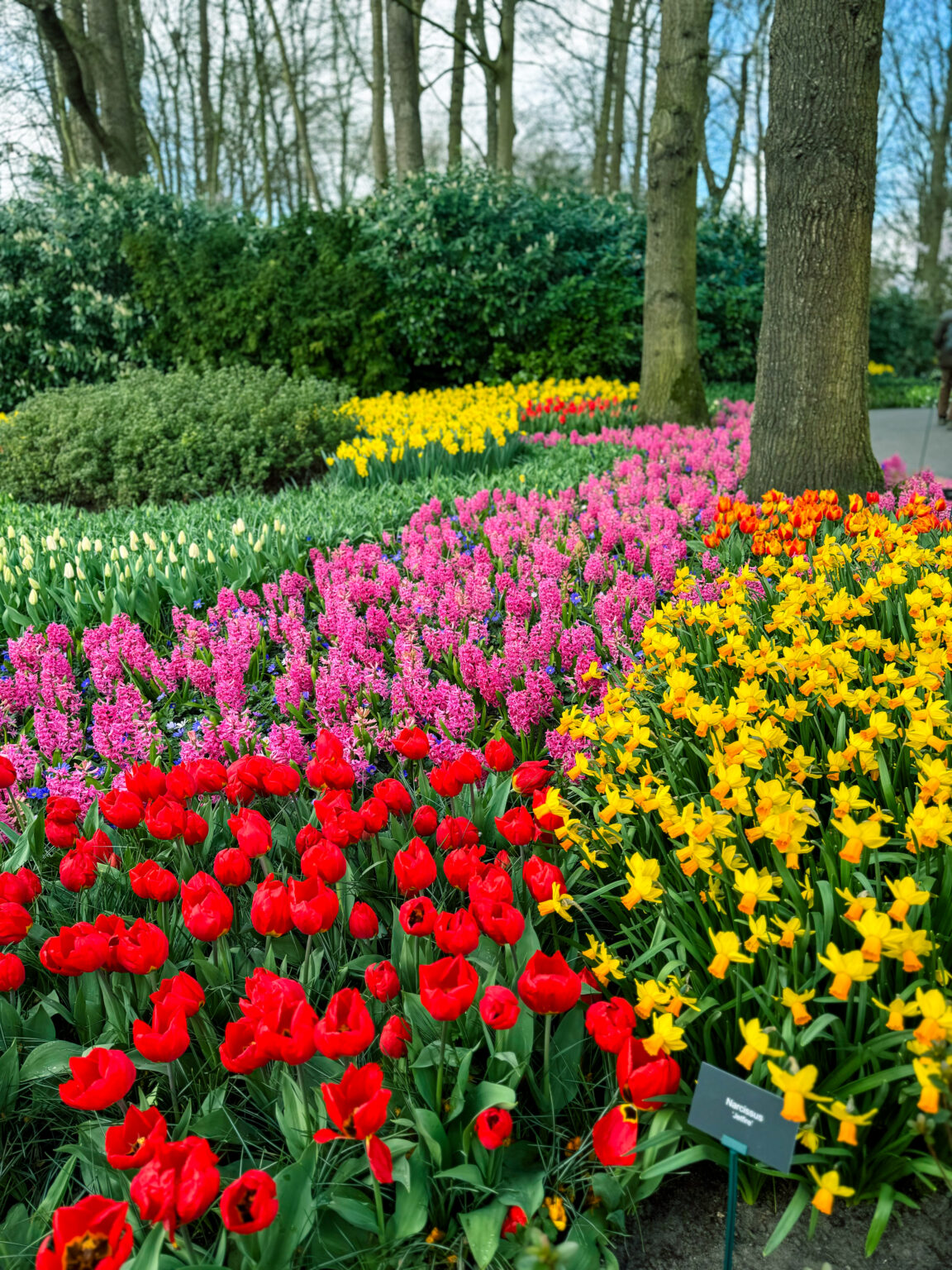
Expect to be dazzled! With a terrain of 36 hectares, the Keukenhof has plenty of room to play with, resulting in creatively combined, colorful flower arrangements every year. The park is divided into several sections each with their own style (see Q5), both outdoors and indoors (in the so-called pavilions). 

Please note that there are no extensively large flower fields on the grounds The flowers in the park are planted in smaller, yet creatively-shaped sections surrounded by water streams, blossoming trees and plants.You can pay a little extra for a boat ride that takes you around the fields surrounding the park (which can also be enjoyed from several lookout points). 

Don’t worry about not getting your perfect shots for social media: special photo corners (with the typical Dutch clogs) are spread throughout the entire park. 

What types of flowers are planted in the park? 

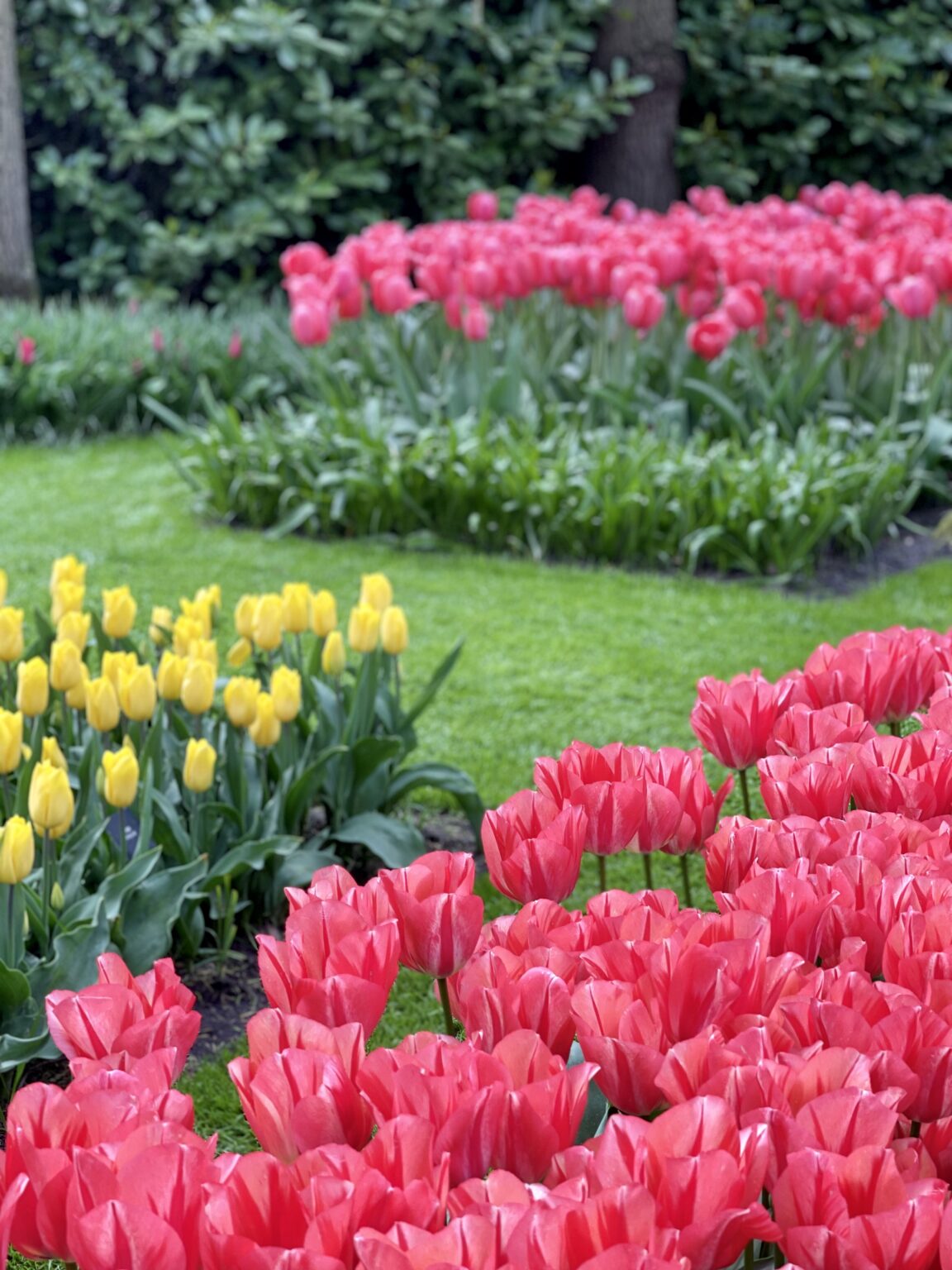
40 gardeners and dozens of volunteers plant SEVEN MILLION bulbs each year before Christmas. A total of 1600 types of bulbous plants are used, including 800 varieties of tulips. These are combined in such a way that the park blooms for the whole opening period of 8 weeks (see Q5). 

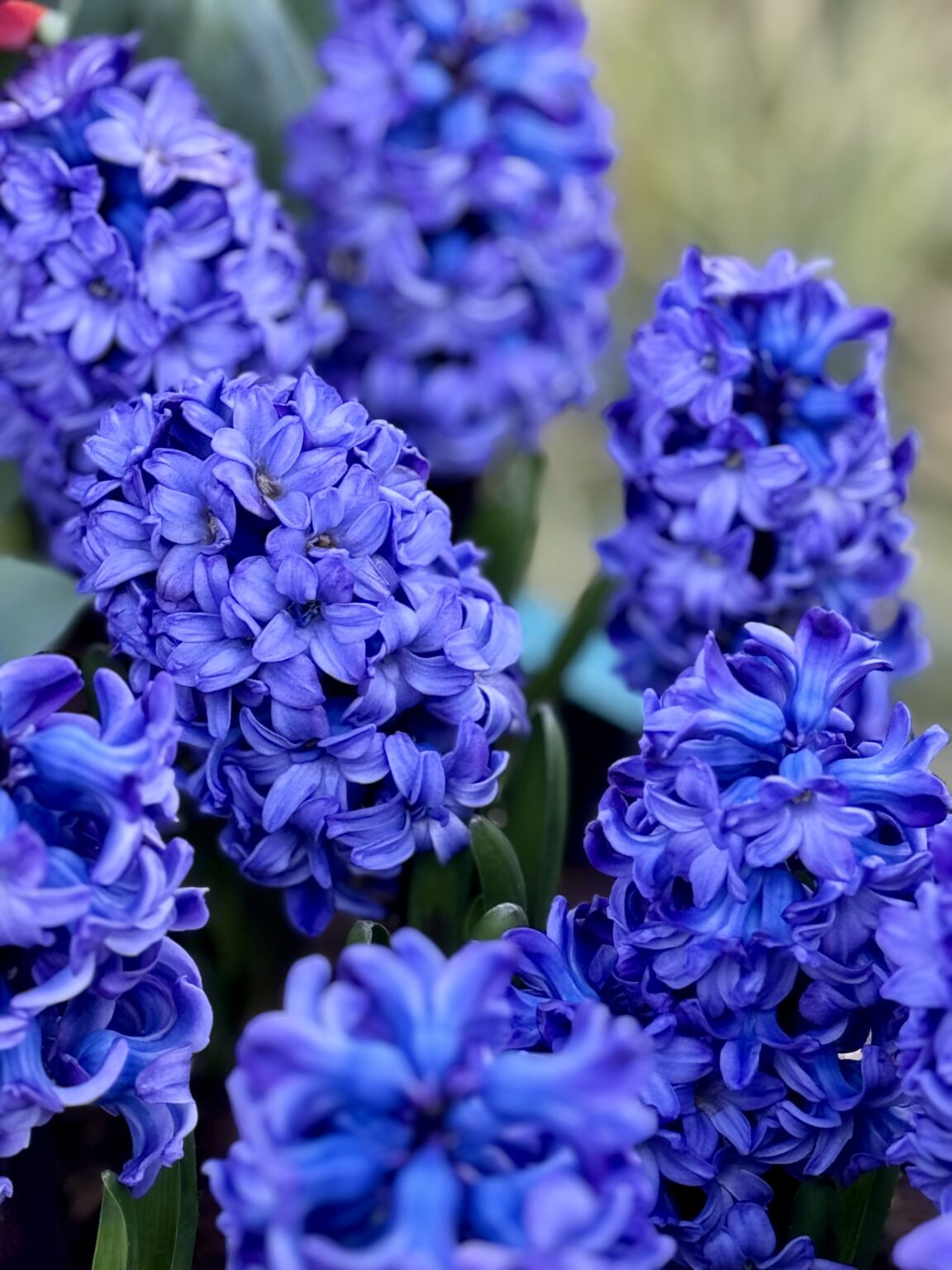
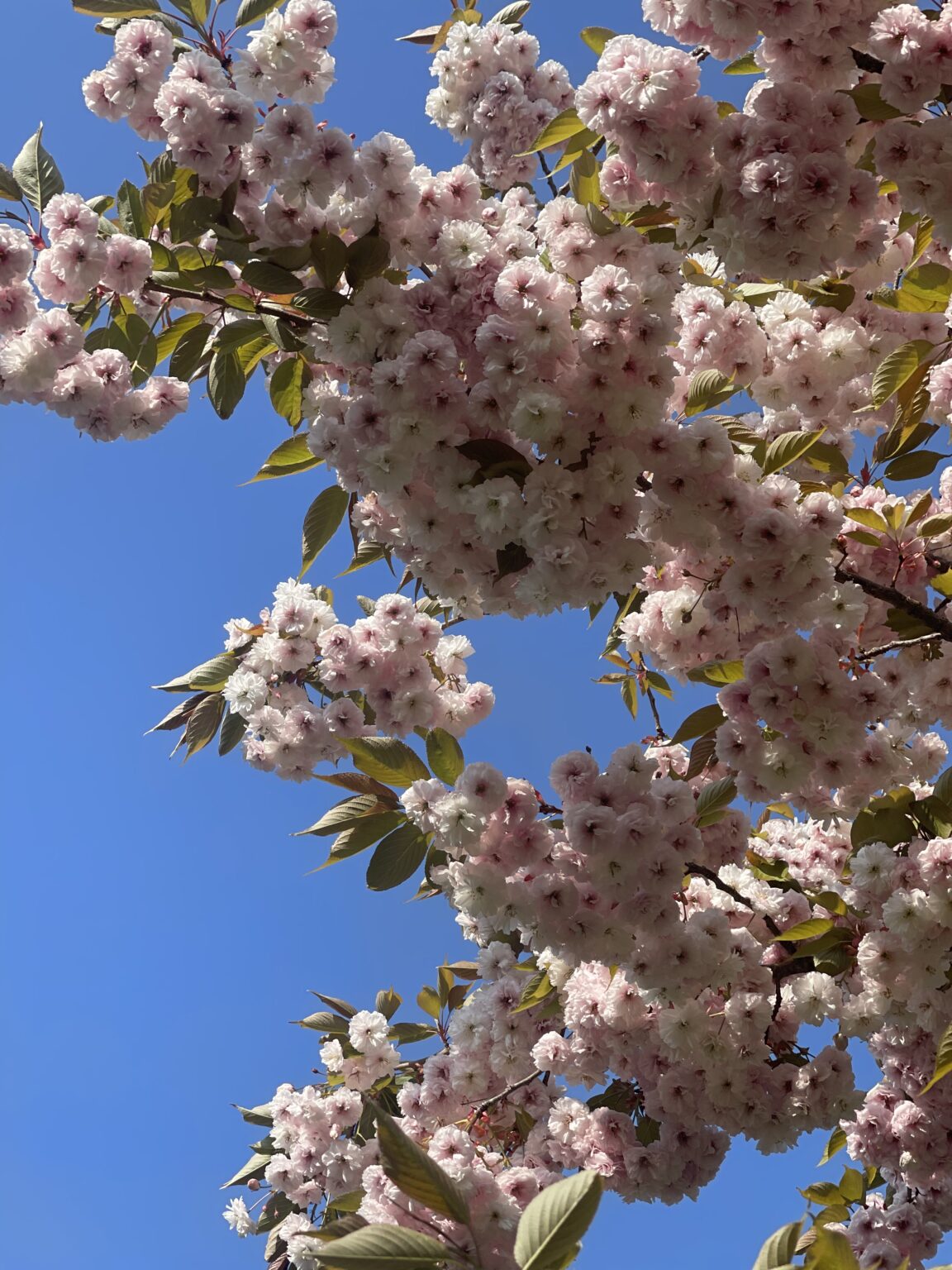
Aside from the tulips, you will encounter various other kinds of spring flowers, such as hyacinths (dark purple, light purple, bright pink, light pink, white, golden), daffodils (big to small) and crocuses.  However, some sections also feature impressive old trees (with blossoms), shrubs, perennial plants and wildflowers (from naturalized bulbs). 

In addition, the pavilions feature entrancing flower shows from the first to the last day of the season. The Beatrix pavilion for example hosts the orchid and anthurium show, while in the Oranje Nassau Pavilion, there is the rose, chrysanthemum, gerbera, and narcissus show, among others. These pavilions are indoor, great news for when you visit on a rainy day! 

You can check on the website to see which flowers are exhibited during the week of your visit. 

How do the flowers get all these colors? 

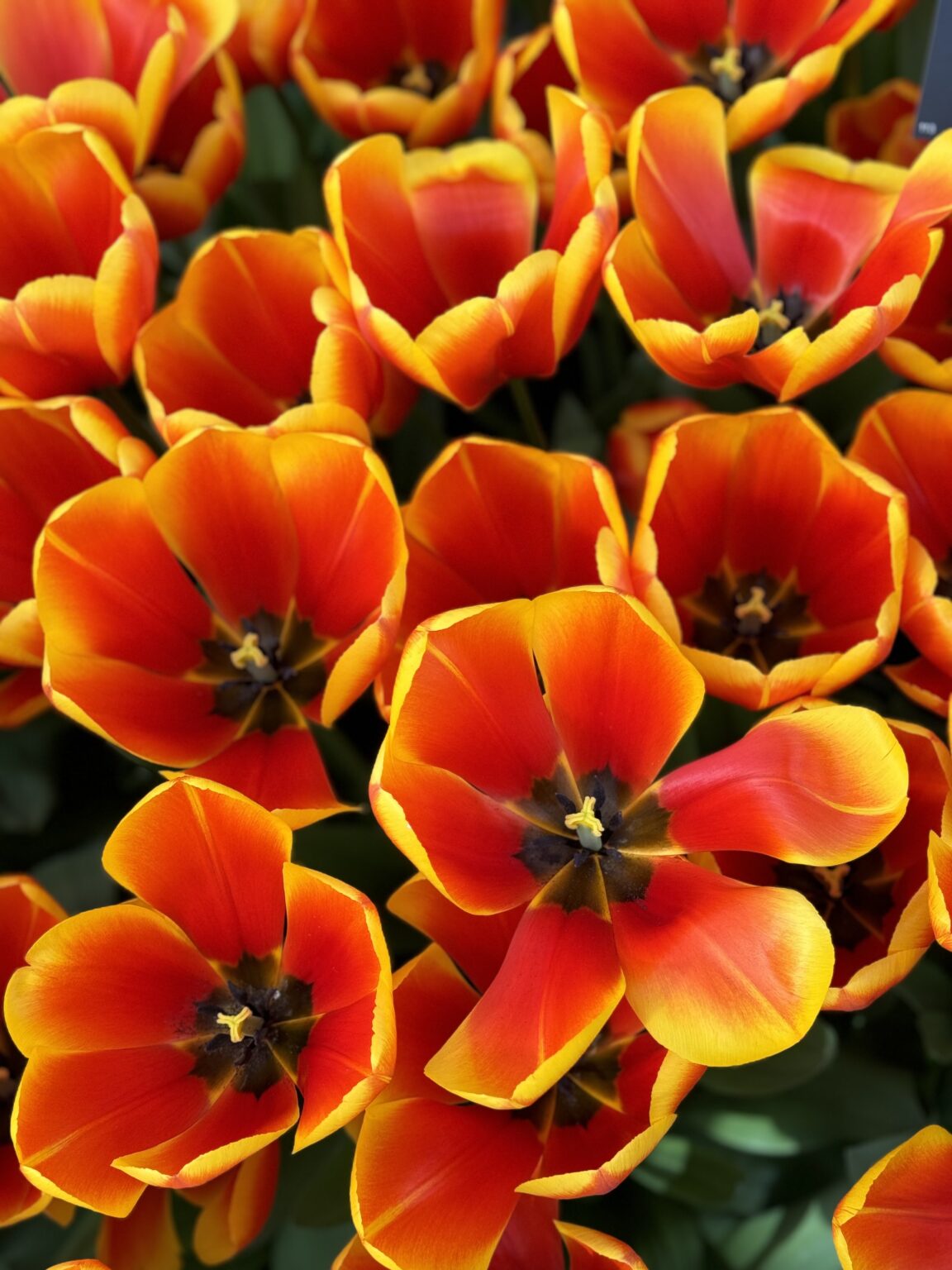
The wide range of colors, particularly tulips, arises from a combination of natural genetic diversity and human intervention through selective breeding and cultivation techniques such as crossbreeding. 

Colors are primarily produced by pigments present in the petals, including carotenoids (yellows and oranges), anthocyanins (reds, purples) and flavonols (white). Diverse color palettes result from different concentrations and combinations of these pigments. 

Remarkably, the soil pH levels can also influence color. For instance, acidic soil tends to produce more blue hues, while alkaline soil may yield pink or red tones. Additionally, factors like sunlight exposure, temperature and time of day impact color intensity and vibrancy. 

Nothing quite as complex as color theory! 

Which flowers smell best? 

The delightful fragrance 👃in the park is impossible to describe with words; it’s so uplifting and it will put a spring in your step! Some spring flowers known for their exceptional scent are: 

  • Hyacinths: These powerhouses produce a strong, sweet fragrance that you either love or hate. 
  • Daffodils 🌼: sunshine in plant form! These cheerful flowers produce a subtle, sweet fragrance, reminiscent of dark green leaves mixed with a hint of hyacinth and jasmine. Some varieties even have a vanilla-like or more spicy undertone. 
  • Lilies: these elegant beauties produce a soft, powdery and sweet smell with a woody notes 🪵. 

Although tulips are not particularly known for their powerful scent, some varieties are definitely more fragrant than others, such as Tulipa ‘Prinses Irene (citrusy and spicy)’, ‘Angelique (rose-like)’, ‘Apricot Beauty’ (more fruity), ‘Monte Carlo’ (potent) and ‘Menton’ (hints of vanilla and honey). 


What are some practicalities I should know about? 

📅 Timing Your Visit 

  • Season duration: the gardens are open from the 21st of March until the 12th of May! 

Depending on the temperatures in the winter, more or fewer flowers will bloom during the opening week. Come earlier in the season when you have a preference for crocuses, daffodils, hyacinths and early tulips. Come later in the season to check out the larger tulips. 

  • Best period:  mid-april (let’s say second half of April, first week of May). 

With luck (depending on how the weather has been), you’ll still spot some daffodils and hyacinths as well as the larger tulips. The fields in the surrounding ‘Bollenstreek’ area are also in bloom during this time. If you come at the end of April, you can also experience Kings day (the 27th of April, we celebrate the birthday of our king). 

  • Best time of day: the park is open from 8 till 19.30. To avoid crowds, visit before 10 or after 16.00. Plus, in the morning and evening sun, you’ll get the prettiest pictures! The quietest days are Monday to Wednesday. 

Tip: keep an eye on the site for special events.

🌸Gardens Overview 

As previously mentioned, the park is divided into several themed sections, each showcasing different types of flowers and landscapes. Examples: 

  • Outdoor gardens: vast expanses of colorful flower beds, meandering pathways and charming water features. 💐
  • Oranje-Nassau Pavilion: home to the tropical orchids!
  • Willem-Alexander Pavillon: encounter a stunning array of lily varieties (amongst others)! From the delicate Asiatic lilies to the majestic Oriental hybrids.  
  • Beatrix Pavillon: hosts displays of the bulbous spring flowers. In the beginning of the season, you can already find blooming tulips inside this ‘greenhouse’! 
  • Historical Garden: features traditional Dutch landscapes 🇳🇱 and historical varieties of tulips to offer visitors into the horticultural heritage of the Netherlands 
  • Inspirational Garden:showcases innovative gardening ideas and trends, with the intention of providing visitors with creative inspiration for their own gardens.

Some of my personal favorites are the ‘Ibiza Garden’ 🌴 and the Mixed Gardens (‘natuurtuin’, less cultivated) 


🚏Transport 

You can buy a combination ticket (entrance + transportation) on the website. This ticket will include public transport or a parking card for your car. There are direct buses (‘Keukenhof Express’) from Leiden Centraal, Haarlem Centraal,  Amsterdam Schiphol Airport and Amsterdam RAI, as well as regular buses from cities such as The Hague, Rotterdam and Noordwijk. 

🦽 Accessibility

The Keukenhof is very well-kept, with pathways that are easy to navigate. The array of colors is a sight to behold, even for those with the blurriest of vision! Wheelchairs are available for rent at the entrance. Unfortunately, there is no discounted ticket available for individuals with disabilities. 

For more information, such as pricing, please check www.keukenhof.nl 

If you have any other questions, don’t hesitate to drop them below! HAVE FUN! You will surely have a spring in your step during the entire visit!

Leave a Comment

Your email address will not be published. Required fields are marked *